
From Ideological Suspects to Domestic Violence
Here There Is No WhyThe inquiry moves from plausible political and religious motives toward a concealed interpersonal conflict, revealing how public explanations can divert attention from private harm.
increasing Bearing strength in each event
 decreasing
Bearing strength in each eventdecreasingTheological Provocation
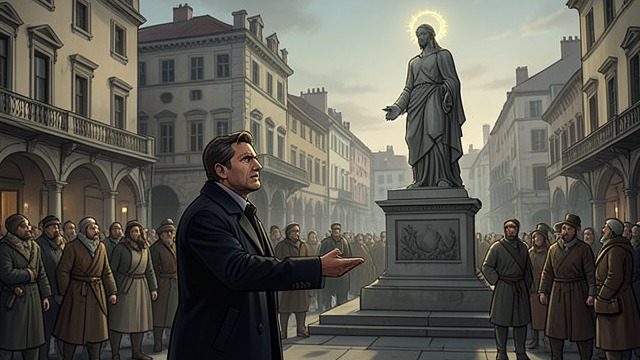
Theological Provocation
A heretical claim
Chaim argues that God is loving but not omnipotent. His answer to the problem of evil offers comfort to some readers and provokes religious opposition from others.
Public conflict intensifies
The idea becomes a threat to leaders who believe it undermines divine power, communal unity, or national resilience. Chaim’s willingness to provoke makes his theology seem like a possible motive for violence.
Political Opposition
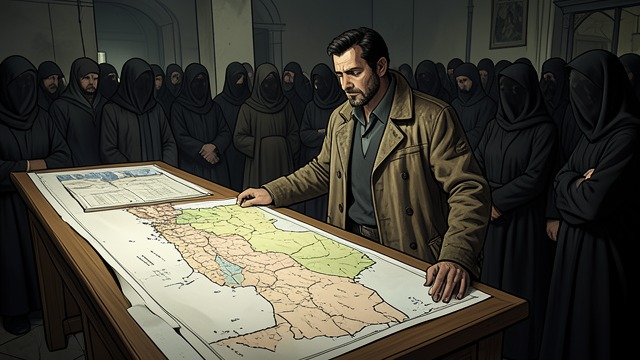
Political Opposition
A public stance
Chaim prepares to condemn the Lebanon War and criticizes occupation and settlement politics. His interventions place a celebrated Holocaust survivor against powerful political currents.
A tempting explanation
When Charlie later presents political extremists as possible suspects, Judah sees a plausible connection between Chaim’s words and the dangers around him. Yet political motive alone cannot establish who caused the fall.
The Suspects Confess Hatred
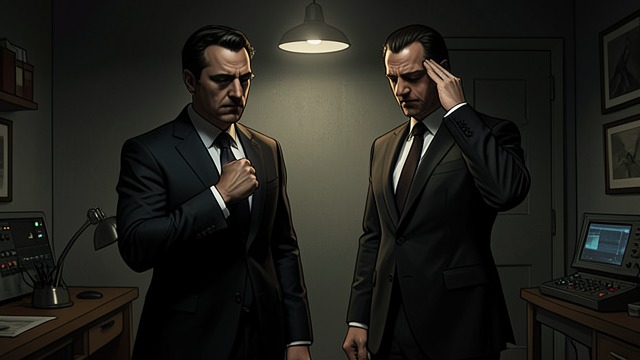
The Suspects Confess Hatred
Open hostility
Meir Alon describes his intense hatred of Chaim, while Rabbi Kaplowitz admits that he wanted Chaim’s influence stopped. Both were near the scene on the night of the death.
A compelling diversion
Their beliefs and proximity make them appear dangerous, but the interviews are part of Charlie’s constructed trail. The apparent confessions obscure the private crisis at the center of the death.
The Blackmail Story Unravels
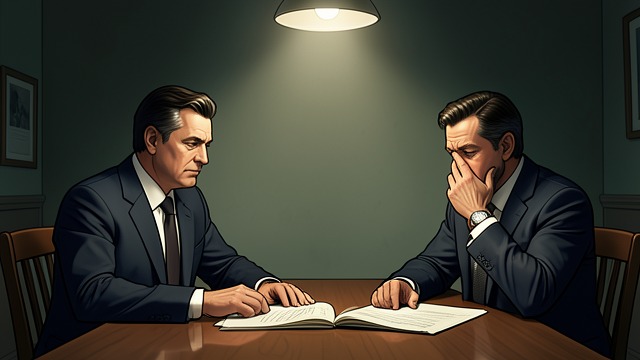
The Blackmail Story Unravels
A political secret
Alon says he intended to threaten Chaim with evidence of affairs, while Kaplowitz confirms cooperation in the plan. Their admission suggests a new motive tied to reputation rather than theology alone.
A manufactured account
Charlie later explains that the blackmail story was fabricated to distract Judah. The apparent political investigation has been shaped to prevent a direct inquiry into Zehava and Michal.
The Domestic Explanation
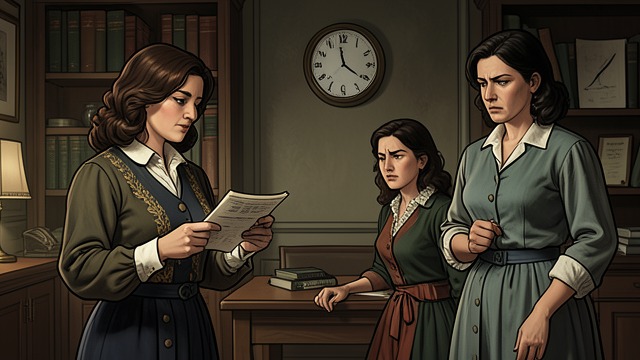
The Domestic Explanation
The timeline breaks
A second receipt proves that the dress fitting occurred while Michal was with Judah, not with Zehava. The supposedly secure alibi is no longer secure, and Judah confronts the women separately.
Ideology gives way to intimacy
The real conflict concerns Chaim’s abuse and the women’s efforts to resist, protect one another, and preserve their futures. Public theories were useful partly because they kept those private acts out of view.
1982, during Chaim’s lectures
1982–1983, after Chaim criticizes the invasion
July 2005, during the first suspect interviews
July 2005, during the second interviews
Near the ending, after the alibi receipts are compared
